Let’s start by recognizing how ridiculously biased all of us are. It’s our stupid brains’ fault; we all make inferences and assumptions based on what we think we know. If I’m being honest, when I see a big, muscly dude, I don’t think “heart surgeon”. When I play pickup soccer, I listen for who’s not speaking English and then try to get on that team. This isn’t good or fair, but our brains are wired to tie Thing A to Thing B. This happened when I was a kid: I viscerally hated Kevin Arnold from The Wonder Years and didn’t know why, until I realized that Kevin Arnold’s adult voice is one of the burglars from Home Alone.

One point on which Ibram X. Kendi and I agree is that bias is all around us. None of us are completely aware of our biases, and can’t be even if we try. Of course, I think Kendi’s view of how bias works is simplistic, and I have gigantic problems with his method for measuring it, but we agree that it’s always there, a low (or sometimes not-low) static distorting everything. You can’t eliminate it; you can only work to recognize it within yourself and try to course-correct.
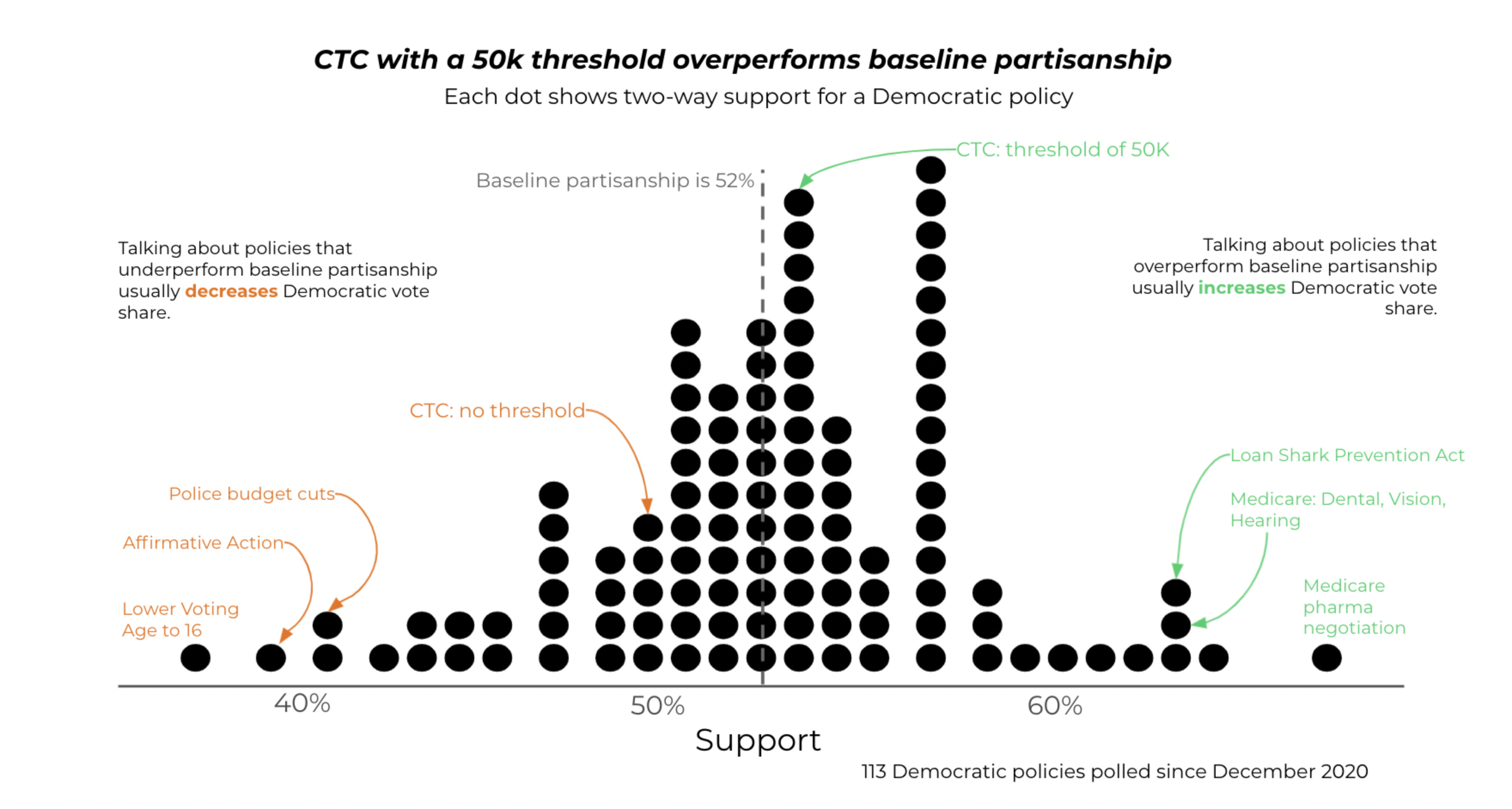
Over the years, I’ve come to think that diversity, equity, and inclusion programs — or “affirmative action”, to use a slightly-passé phrase — are a disastrous policy. I’m not against them in every case, I think there are a limited set of circumstances in which lightly-applied policies make sense, but I think that most of the time, they’re divisive and unfair. I also know that they’re extremely unpopular — they poll worse than “defund the police” and get hammered at the ballot box even in diverse, deep-blue states — and I think that important parts of the Democratic agenda like social spending and election reform are being sacrificed to policies that a majority of Americans of all races don’t want.