

The debate over the meaning of the word “socialist” is almost certainly causing more confusion than clarity. We’re thoroughly spinning our pants and peeing our wheels in a pointless semantic discussion, and that discussion seems to have reached a new low this week for perhaps the 10,000th week in a row. Here are Zohran Mamdani and John Leguizamo — yes, Luigi from the Mario Brothers movie where everyone was drunk all the time — road testing the newest definition of “socialism”.
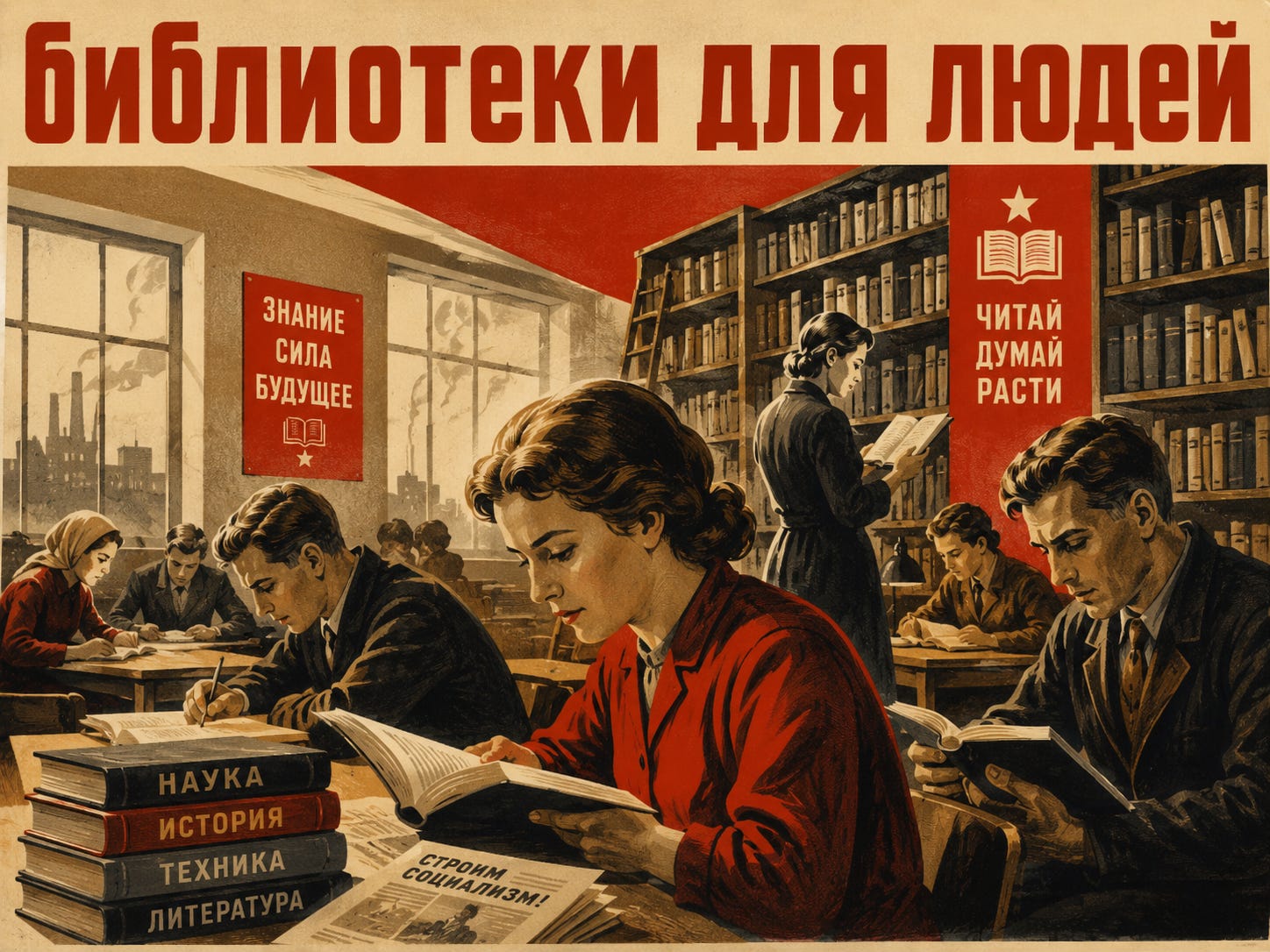
I don’t freak out over the word “socialism”; I know that when many people say “socialism”, they just mean “public spending”. And if John Leguizamo is a socialist because he loves fire departments, then fine, Roger that, I will reiterate my position that we should never ask actors about their political opinions, but sure: I agree that fire departments are good! And Mamdani is right that libraries are public goods, and I’ll be a mensch and not point out that many US libraries were gifts from literal Gilded Age oligarchs. If socialism means support for well-functioning social services, then sign me up: I’ll do everything except attend meetings, because Oscar Wilde was right when he said that the problem with socialism is that it takes up too many evenings.
But I have a follow-up question: If socialism is defined by support for run-of-the-mill public services like schools, fire departments, and libraries, then why does the DSA exist? Because basically everybody supports those things — why do we need the DSA or the word “socialism” at all? Why did the DSA to create a party within a party that presents itself as a pure alternative to a corrupted “establishment”, and why is that faction determined to take over a party whose support for public services has been an ideological lodestone for at least a hundred years? If this is about libraries and schools, then great news: The battle was won during the van Buren administration! But everyone knows that the fight is about other policies, so let’s talk about those.
